Private Label Vitamin C Serum: Launch Guide 2026
Vitamin C serums remain one of the most popular skincare categories, and for good reason: they brighten skin, boost collagen, and fight free radicals. If you’re a brand founder looking to launch your own vitamin C serum, partnering with a cosmetic OEM can turn your vision into a market-ready product. In this guide, we’ll walk through the key steps—from formulation to compliance—so you can make informed decisions and avoid common pitfalls in 2026.
1. Why Vitamin C Serum Is a Smart Private Label Choice
Vitamin C serums have a massive and loyal customer base. They’re considered a staple in many skincare routines, and the demand for stable, effective formulations keeps growing. For a new brand, launching with a vitamin C serum offers several advantages:
- High perceived value – Consumers understand the benefits of vitamin C, making it easier to market.
- Repeat purchases – Serums are used daily, leading to higher customer lifetime value.
- Room for differentiation – You can position your serum as clean, vegan, halal, or with added actives like hyaluronic acid or vitamin E.
With the right OEM partner, you can create a product that stands out in a crowded market.
2. Formulation: The Science Behind a Stable Vitamin C Serum
Vitamin C (ascorbic acid) is notoriously unstable—it oxidizes quickly when exposed to light, air, and water. A good OEM will help you choose a stable derivative or use advanced encapsulation technology. Common options include:
- L-Ascorbic Acid – The most potent form, but requires a low pH (below 3.5) and opaque, airless packaging.
- Magnesium Ascorbyl Phosphate (MAP) – A stable, gentler derivative ideal for sensitive skin.
- Sodium Ascorbyl Phosphate (SAP) – Another stable option with oil-control benefits.
- Ethyl Ascorbic Acid – A relatively new derivative that’s both stable and effective.
Your OEM can help you decide which form fits your target market and budget. They’ll also balance the formula with antioxidants, humectants, and preservatives to ensure shelf life and efficacy.
3. Custom vs. Private Label: Which Route to Take?
When working with an OEM, you typically have two options:
- Private label (existing formula) – You choose from the manufacturer’s ready-made formulas and simply add your brand name and packaging. This is faster and cheaper, with lower MOQs.
- Custom formula development – You work with the OEM’s R&D team to create a unique formula tailored to your vision. This offers more differentiation but requires more time, investment, and higher MOQs.
At 8OEM, we offer both routes. If you’re just starting, private label can get you to market quickly. As you grow, you can transition to custom formulas to build a unique brand identity.
4. Packaging and Labeling: First Impressions Matter
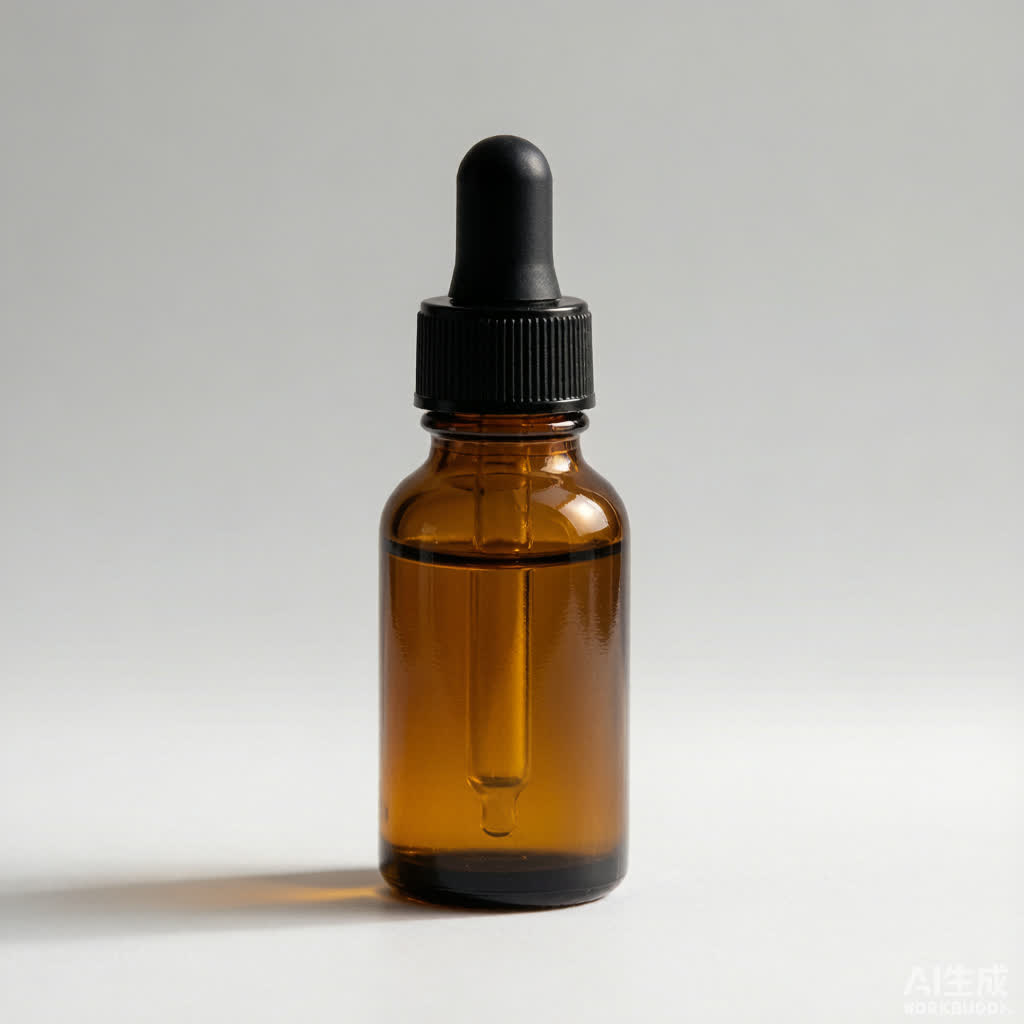
Vitamin C serums require specific packaging to maintain stability. Airless pumps, amber or opaque glass bottles, and UV-protective materials are common choices. Your OEM can source packaging that fits your brand aesthetic and budget.
Labeling is equally important. In 2026, consumers are more ingredient-conscious than ever. Your label must list ingredients accurately (INCI names), include usage directions, and display required warnings (e.g., “Store away from light”). Your OEM should provide you with compliant label text or at least guidance.
5. MOQ: How Much Do You Need to Order?
Minimum Order Quantities (MOQs) vary by manufacturer and formula. For private label vitamin C serums, MOQs can range from 1,000 to 5,000 units. Custom formulas often require higher MOQs, sometimes 10,000 units or more.
When comparing OEMs, don’t just look at the MOQ number—consider the cost per unit and the total investment. A lower MOQ with a higher unit cost might be better for testing the market. Conversely, if you have strong distribution, a higher MOQ with better pricing could be more profitable.
6. Compliance: Navigating Global Regulations in 2026
Regulatory compliance is non-negotiable. Depending on where you sell, you’ll need to meet specific requirements:
- United States (MoCRA) – Under the Modernization of Cosmetics Regulation Act, you must register your facility and product listings with the FDA, and ensure good manufacturing practices.
- European Union (CPNP) – You need a Responsible Person in the EU and must notify your product via the Cosmetic Products Notification Portal (CPNP).
- China (NMPA) – For imported cosmetics, you need to register or file with the National Medical Products Administration, and possibly undergo animal testing (unless you qualify for the exemption).
- Middle East – Halal certification may be required for certain markets.
A reliable OEM like 8OEM can help you navigate these requirements by providing documentation, stability testing, and safety assessments.
7. Choosing the Right OEM Partner
Your OEM partner can make or break your product launch. Here are key factors to evaluate:
- Experience – Do they have a track record with vitamin C serums?
- R&D capabilities – Can they help with custom formulations and stability testing?
- Manufacturing standards – Look for GMP-compliant facilities and quality control processes.
- Transparency – Will they share certificates, test reports, and ingredient sourcing details?
- Communication – Are they responsive and willing to answer your questions?
At 8OEM, we pride ourselves on open communication and full transparency. We’ll walk you through every step, from initial consultation to final delivery.
Ready to launch your own vitamin C serum? Contact 8OEM today for a free consultation. Our team will help you choose the right formulation, packaging, and compliance path for your brand. Let’s create something great together.
Frequently Asked Questions
What is the minimum order quantity for a private label vitamin C serum?
MOQs typically range from 1,000 to 5,000 units for private label formulas. Custom formulations may require higher MOQs. At 8OEM, we can discuss your specific needs and find a solution that fits your budget.
How long does it take to develop a custom vitamin C serum?
Custom development can take 8-16 weeks, including formulation, stability testing, and packaging. Private label products can ship faster, often within 4-6 weeks after sample approval.
Can I sell my vitamin C serum in the EU and US?
Yes, but you must comply with local regulations. For the EU, you need a Responsible Person and CPNP notification. For the US, you must comply with MoCRA, including facility and product registration. Your OEM should provide necessary documentation to support your compliance.
What packaging is best for vitamin C serum to prevent oxidation?
Airless pumps, opaque or amber glass bottles, and UV-protective materials are ideal. These prevent light and air from degrading the vitamin C. Your OEM can recommend specific packaging based on your formula and budget.