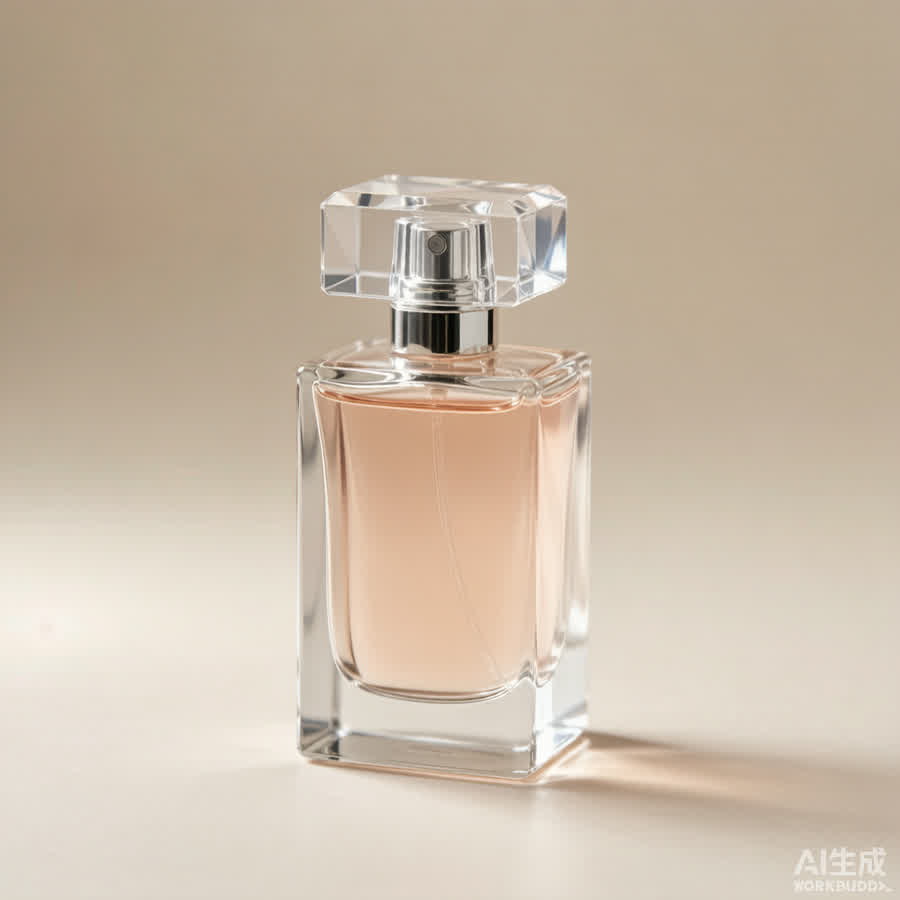
Perfume OEM 2026: Launch Your Fragrance Brand with a Cosmetic OEM
Dreaming of launching your own perfume brand? You're not alone. The fragrance market is booming, and with the right manufacturing partner, you can turn your scent concept into a sellable product. In this guide, we'll walk you through the essentials of perfume OEM and private label fragrance manufacturing in 2026—covering formulation, MOQs, packaging, compliance, and costs—so you can make informed decisions and avoid common pitfalls. If you're just starting your research, our cosmetic OEM services overview is a great next step.
1. Understanding Perfume OEM vs. Private Label
Before diving in, it's important to know the difference between OEM and private label. OEM (Original Equipment Manufacturing) means the manufacturer creates a fragrance formula exclusively for you, based on your brief. Private label typically involves choosing an existing formula from a catalog and putting your brand name on it. Both have pros and cons.
- OEM: Full control over scent, ingredients, and branding. Higher minimums and longer development time.
- Private label: Faster to market, lower MOQs, but limited uniqueness. You compete on price.
Most serious fragrance founders choose OEM to build a distinct brand identity. At 8OEM, we offer both, but our expertise lies in custom formula development. For a deeper look at how custom formulas are crafted, check our custom formula development guide.
2. Fragrance Formulation: From Brief to Bottle
The heart of your perfume is the formula. A professional perfumer (or 'nose') will translate your vision into a concentrate—a blend of essential oils, aroma chemicals, and solvents. The concentrate is then diluted with ethanol and water to create the final perfume.
Key considerations when briefing your manufacturer:
- Scent family: Floral, woody, oriental, fresh, etc. Be specific about notes you love.
- Concentration: Eau de Parfum (15-20% concentrate), Eau de Toilette (5-15%), or cologne (2-5%). This affects strength and cost.
- Longevity and sillage: Do you want a skin scent or a room-filling aura? Communicate this clearly.
- Ingredients: If you require vegan, halal, or clean formulations, say so upfront. 8OEM can formulate to these positions.
A good OEM will provide samples for your approval before mass production. Always test extensively—on paper, on skin, and over time.
3. Minimum Order Quantities (MOQs) for Perfume
MOQ is a critical factor for new brands. In the perfume industry, MOQs vary widely depending on the manufacturer and the complexity of your request.
Typical ranges:
- Private label: MOQs can be as low as 100-500 units.
- OEM with custom formula: Often 1,000-3,000 units per SKU.
- High-end niche: Some luxury houses require 5,000+ units.
At 8OEM, we understand that startups need flexibility. We offer reasonable MOQs for custom fragrance development, and we can help you plan your initial production run to balance cost and inventory risk. If you're curious about how MOQs affect pricing, our cost and pricing guide offers detailed insights.
4. Bottle and Packaging: Making Your Perfume Stand Out
Perfume is a sensory product, and packaging plays a huge role in consumer perception. You'll need to choose a bottle, cap, sprayer, and outer carton. Options range from stock packaging (pre-made, low cost) to custom molds (unique, but expensive).
Consider these factors:
- Glass quality: Standard, heavy, or crystal—each affects weight and cost.
- Customization: You can add your logo via silk screening, hot stamping, or labels.
- Box design: Folding cartons, rigid boxes, or even wooden cases.
- Sustainability: Refillable bottles and recyclable materials are increasingly popular.
Your OEM can source packaging for you or you can supply your own. At 8OEM, we have a network of packaging suppliers and can manage the entire process, ensuring your perfume looks as good as it smells.
5. Compliance and Regulations for Perfume in 2026
Regulatory compliance is non-negotiable. Depending on where you sell, you'll face different rules:
- European Union: You need a Responsible Person (RP) and must notify your product on CPNP (Cosmetic Products Notification Portal) before placing it on the market. The EU also enforces strict allergen labeling.
- United States: Under MoCRA (Modernization of Cosmetics Regulation Act), facilities must be registered with FDA, and products must be listed. Good Manufacturing Practices (GMP) are also required.
- China: If you plan to sell in China, your product must be registered with NMPA. This involves animal testing for imported products, though there are exemptions for certain products.
- Middle East: Halal certification may be required for some markets. 8OEM can produce halal-certified fragrances.
Your OEM should provide safety assessments, certificates of analysis, and technical documentation. Always work with a partner who understands international compliance. For a general overview of quality control, see our quality control guide.
6. Cost Breakdown: What to Expect When Launching a Perfume
Costs vary, but here's a rough breakdown to help you budget:
- Formula development: $500-$5,000 for a custom fragrance, depending on complexity and number of revisions.
- Packaging: Stock bottles can cost $0.50-$2.00 each; custom bottles $3-$10+ each.
- MOQ production: For 1,000 units of 50ml EDP, expect $3-$8 per unit for formulation and filling.
- Cartons and labels: $0.20-$1.00 per unit.
- Testing and compliance: Safety assessments and stability tests can add $500-$2,000.
These are ballpark figures—your actual costs depend on your choices. The key is to get transparent quotes from your OEM and understand what's included. Our pricing guide can help you ask the right questions.
7. Choosing the Right Perfume OEM Partner
Not all OEMs are created equal. Here's what to look for:
- Experience: Do they have a track record in fragrance? Ask for examples (without revealing client names).
- Communication: Are they responsive and transparent?
- Flexibility: Can they handle small batches and scale up?
- Compliance expertise: Do they know the regulations for your target markets?
- Sampling process: How many iterations are included?
At 8OEM, we've been helping brands launch cosmetics and fragrances for years. We offer OEM/ODM services, custom formula development, and export support to the EU, US, China, and the Middle East. We're not the biggest factory, but we're dedicated and reliable. If you're serious about your perfume brand, let's talk.
Ready to start your perfume brand? Contact 8OEM today for a free consultation and quote. We'll help you navigate formulation, packaging, and compliance to bring your fragrance to life. Or learn more about our cosmetic OEM services to see how we can support your project from concept to shelf.
Frequently Asked Questions
What is the typical MOQ for custom perfume manufacturing?
For a custom OEM fragrance, MOQs typically start at 1,000 units per SKU, but some manufacturers offer lower quantities for private label. At 8OEM, we can discuss flexible MOQs based on your formula and packaging choices.
How long does it take to develop a custom perfume?
The timeline varies from 3 to 6 months, including formulation, sampling, stability testing, packaging production, and filling. Rushed timelines are possible but may compromise quality.
Can I sell my perfume in the EU without a Responsible Person?
No. In the EU, you must have a Responsible Person established in the EU who will submit your product to CPNP and hold the product information file. Your OEM can often recommend a third-party RP service.
What are the differences between Eau de Parfum and Eau de Toilette?
Eau de Parfum (EDP) has a higher concentration of fragrance oils (15-20%), making it last longer, while Eau de Toilette (EDT) has 5-15% and is lighter. EDP is more expensive to produce but often preferred for premium lines.