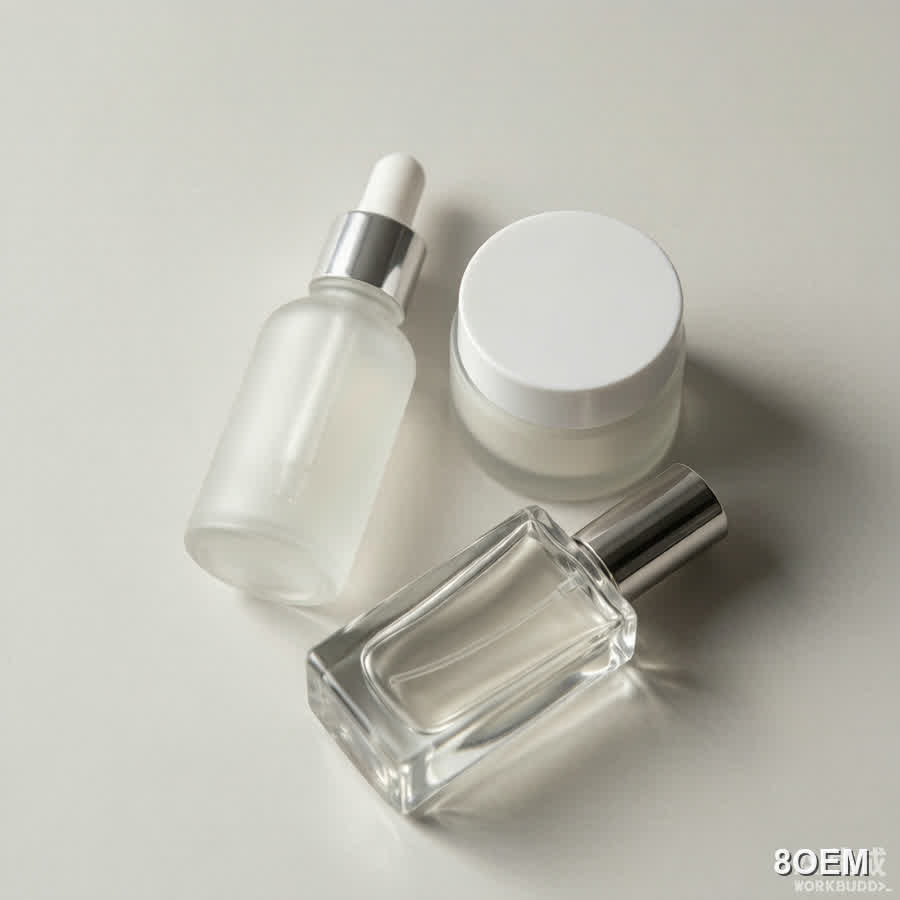
Halal Cosmetics OEM 2026: Private Label for Muslim-Market Beauty Brands
The global Muslim beauty market is booming, with consumers seeking products that align with their faith and lifestyle. For brand founders and procurement buyers, partnering with a halal cosmetics OEM is the key to launching a successful private label line. In this guide, we’ll walk you through what halal cosmetics really mean, why certification matters, and how to choose the right manufacturing partner in China for 2026 and beyond.
1. What Are Halal Cosmetics?
Halal cosmetics are products that are permissible for use by Muslims, meaning they contain no ingredients derived from forbidden sources (like pork or alcohol) and are manufactured in a clean and ethical manner. The term 'halal' extends beyond ingredients to include the entire production process, from sourcing to packaging.
For beauty brands, offering halal-certified products opens doors to a vast and growing consumer base that prioritizes faith-based choices. It’s not just about avoiding haram (forbidden) substances; it’s about embracing purity, safety, and ethical practices.
2. The Growing Demand for Halal Beauty in 2026
The Muslim population is projected to reach over 2.2 billion by 2030, with a significant portion being young and beauty-conscious. Halal beauty products are no longer a niche—they are becoming a mainstream preference among Muslim consumers, who are willing to pay a premium for products that meet their religious standards.
Moreover, halal cosmetics appeal to a broader audience due to their clean and ethical positioning. Many non-Muslim consumers also perceive halal as a mark of quality and safety, making it a powerful marketing angle.
3. Key Halal Certification Bodies You Should Know
When sourcing halal cosmetics OEM, certification is crucial to build trust. Major halal certification bodies include:
- JAKIM (Malaysia): One of the most recognized and stringent certifications globally.
- MUI (Indonesia): The Indonesian Ulema Council, widely accepted in Southeast Asia.
- ESMA (UAE): The Emirates Authority for Standardization and Metrology, important for Middle East markets.
- Other regional bodies: Many countries have their own halal standards, so ensure your OEM partner can adapt.
Choose an OEM that is experienced in working with these certifiers, as the process can be complex.
4. Halal Ingredients: What to Look For and Avoid
Halal cosmetics must be free from alcohol (ethanol), animal-derived ingredients (unless properly slaughtered), and any harmful or impure substances. Common halal ingredients include plant-based oils, botanical extracts, and mineral-based pigments.
Your OEM should have a robust ingredient sourcing system that ensures full traceability. They should also be able to provide documentation proving the halal status of each component. Avoid manufacturers that are vague about their supply chain.
5. Manufacturing Process: Ensuring Halal Compliance
Halal manufacturing goes beyond ingredients. The production line must be free from contamination, and cleaning procedures must follow halal guidelines. This often means separate production lines or thorough cleaning between runs.
Ask your OEM about their hygiene protocols, waste management, and employee training on halal standards. A reliable partner will have documented procedures and regular audits to maintain compliance.
6. How to Choose a Halal Cosmetics OEM Partner in China
China is a major hub for cosmetic manufacturing, but not all factories are halal-certified. When evaluating OEM partners, consider:
- Certifications: Do they hold valid halal certificates from recognized bodies?
- Experience: Have they produced halal cosmetics for Muslim markets before?
- Transparency: Are they willing to share documentation and allow audits?
- Customization: Can they formulate products to your specific halal requirements?
At 8OEM, we offer OEM/ODM services with halal-friendly manufacturing practices. We can guide you through the certification process and ensure your products meet international halal standards.
7. Private Label Opportunities: From Skincare to Makeup
Halal private label products span a wide range, including skincare, makeup, haircare, and personal care. Popular items include halal lipsticks, foundations, moisturizers, and serums.
With the right OEM, you can develop a unique product line that meets halal requirements while standing out in the market. Consider incorporating vegan or clean beauty angles to appeal to a broader audience.
8. The Future of Halal Cosmetics: Trends to Watch in 2026
As the halal beauty market evolves, expect to see more innovations in halal-certified active ingredients, sustainable packaging, and digital verification (like blockchain for transparency). Brands that stay ahead of these trends will capture loyal customers.
Additionally, halal certification is becoming a benchmark for ethical beauty, so aligning your brand with halal values can enhance your reputation globally.
Ready to launch your halal beauty brand? Contact 8OEM today to discuss your project. Our team can help you with halal cosmetics OEM, from formulation to certification. Let’s create products that resonate with Muslim consumers worldwide.
Frequently Asked Questions
What is halal cosmetics certification?
Halal certification is a formal approval from an accredited body (like JAKIM or MUI) that verifies a product and its manufacturing process comply with Islamic law. It ensures no haram ingredients are used and that production meets hygiene and ethical standards.
Can I get halal certification for private label cosmetics in China?
Yes, many Chinese OEM manufacturers can produce halal-certified products. They must work with recognized halal certifiers and maintain strict compliance. At 8OEM, we support halal-friendly manufacturing and can assist you in the certification process.
Are halal cosmetics alcohol-free?
Generally, halal cosmetics must be free from ethyl alcohol (ethanol), but some halal certifiers allow certain types of alcohol (like cetyl alcohol) as they are not intoxicating. It’s important to specify your requirements with your OEM.
What is the difference between halal and vegan cosmetics?
Vegan cosmetics exclude all animal-derived ingredients, while halal cosmetics exclude haram ingredients and require specific slaughtering for any animal-derived ingredients. A product can be both vegan and halal if it contains no animal products and is manufactured per halal standards.